2026
A SHARP SIGNAL SPEAKS VOLUMES
Referee.com
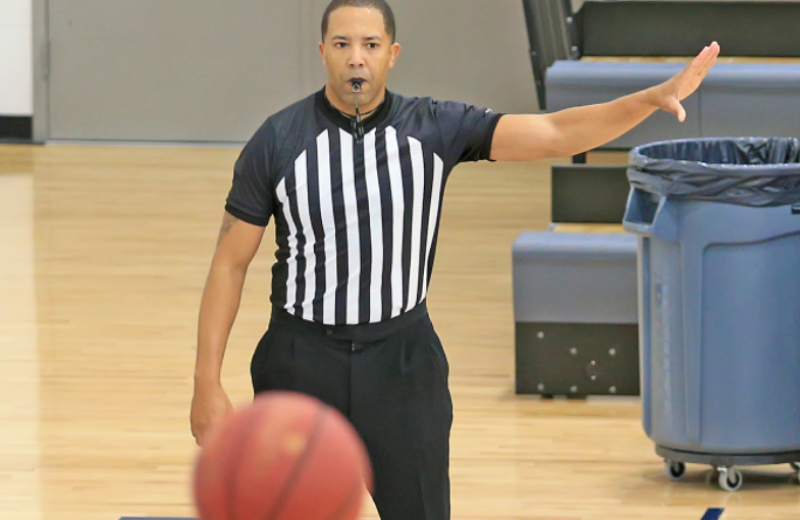
Every official knows the feeling — a buzzer‑beater sails through the net, the crowd erupts but before the shot was released the buzzer went off and you waved it off. Arms stretch wide, palms down. No score. For a heartbeat, the gym freezes on your gesture. Before you even open your mouth, everyone in the gym knows what it means: the basket doesn’t count, and the game is under control.
The Power of a Good Signal
Good officiating depends on good communication, and signals are the first language of an official. Long before a conversation with a coach or a trip to the scorer’s table, your body is speaking to everyone in the gym. The way you extend your arms, the speed of your motion, even the way you reset your stance — all of it tells the story of your credibility.
The best officials don’t just use signals; they craft them. They know that a signal delivered with purpose can defuse tension, sell a call or restore calm to a heated floor. The wrong one — sloppy, uncertain or delayed — can invite confusion, challenge and chaos. Signaling is more than just mechanics. It’s body language with intent.
The Language on the Floor
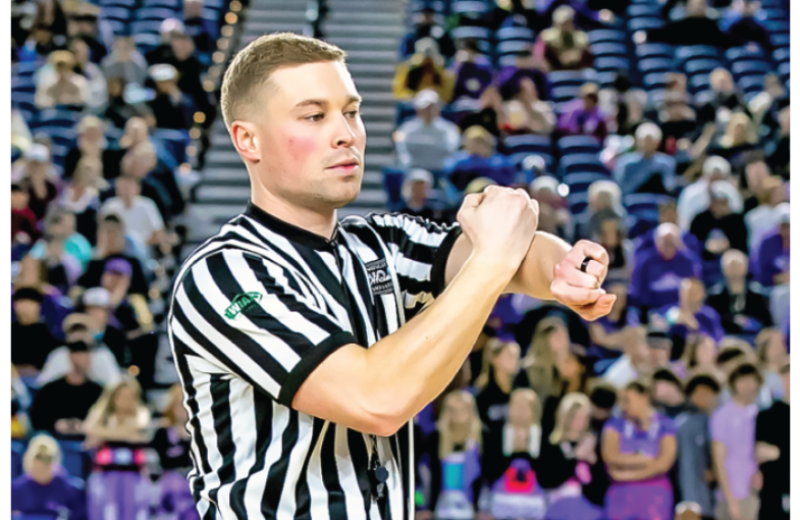
Signals are the one part of officiating that every participant understands. A well‑executed “Illegal use of hands” signal — NFHS signal No. 31 — is the perfect example. Arms extended with fists clenched. One arm is chopped down on the other. It’s definitive but not aggressive. It’s simple, visible and unmistakable.
But think about what happens when that same signal is weak or inconsistent. If you hesitate or the movement lacks conviction, players can sense it. Coaches sense uncertainty. The crowd grows restless. That’s when a simple call becomes a debate. Good signals are clarity in motion — crisp, consistent and communicative.