2026
SELL THE TOUGH CALL
Referee.com
It was a 50‑50 call and you know you got it right. How do you convince half the people you did?
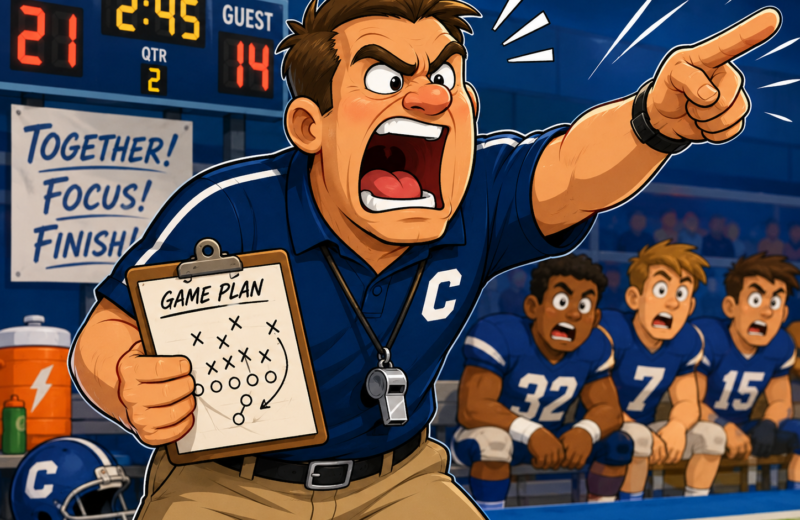
What do a ninth‑inning call at home plate, a crucial roughing penalty late in the fourth quarter or a block/charge call all have in common? They are all tough calls that can generate conflict, controversy and a coach who is going to be very upset.
All officials have experienced conflict with a coach. Confrontations can have positive outcomes if the official follows the basic principles of conflict resolution management.
By practicing three easy steps, the outcomes of those confrontations can be quickly and successfully resolved.
Step one
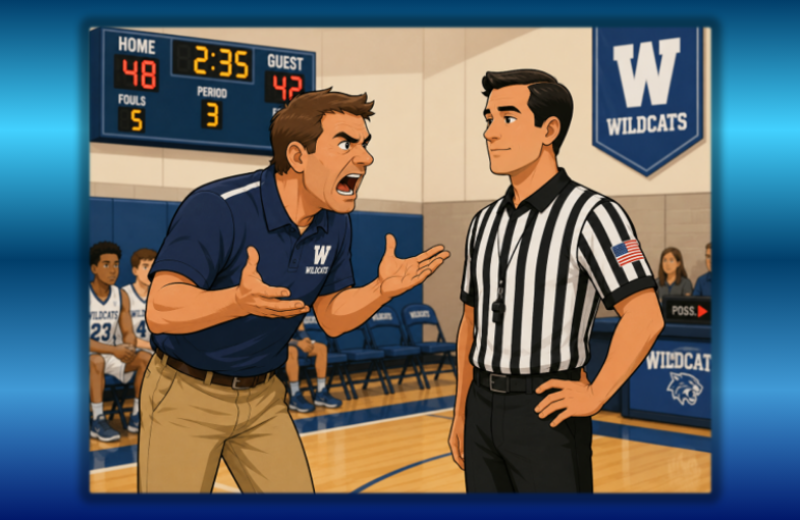
Listen to the nature of the complaint. Let the coach disclose his or her feelings or vent frustration with your call. Do not interrupt while the coach is voicing an opinion about your call.
Nonverbal communication skills, including body language, can dramatically help sell the call. Make eye contact with the coach while he or she is talking. Keep your arms behind your back or at your sides, never crossed in front of your chest since that suggests you are guarded. Do not roll your eyes. Nodding, with one hand up to your chin, shows you value and acknowledge the coach’s opinion with a willingness to listen to his or her point of view.
Step two
Acknowledge that you understand and empathize with his or her position. Let the coach know you understand the nature of the complaint while responding to concerns. Answer questions and identify or analyze unclear issues. Speak in a tone that is conversational. Enunciate and articulate so the coach will understand that you are in control of the situation.
Hand gestures may be used, but never point your finger at or physically touch the coach. Use some of the coach’s words when responding to show that you have been listening.