2026
IMPROVE BY ELIMINATING ANGER
Referee.com
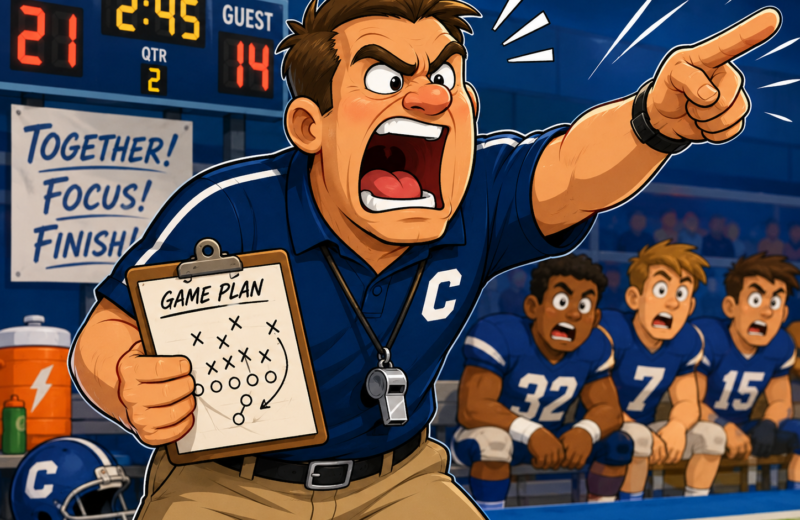
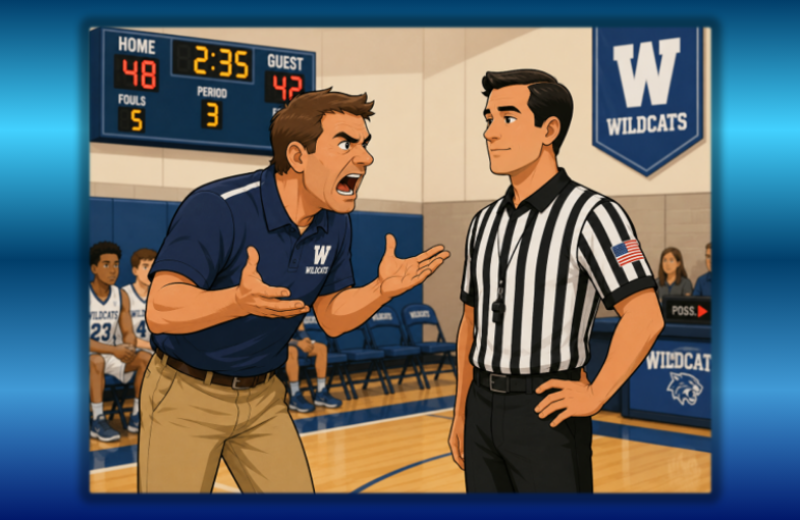
Perturbed. Agitated. Ticked off. Peeved. Whatever label you give it, we all know it. Whether the cause is a know‑nothing loudmouth in the stands, a coach who won’t stop chirping or a mouthy player, every official has dealt with anger at someone or something during a game or match.
How did you react the last time you were angry? Did you hold it in? Did you lash back at whomever was getting under your skin? How did those strategies work for you? If you held it in, you likely spent the ride home talking to yourself about how you wished you’d have responded more aggressively. If you gave back as good (or better) than you got, it might have felt good at the time, but in retrospect, you might be worried about backlash from your assigner for losing your cool.
Psychologist Dr. Peter Sacco believes the best way to recognize your anger is to know yourself. “You need to take an assessment of your emotions to know what sets you off and what your limits are,” Sacco theorizes. “Anger management problems usually stem from repeated experiences with similar people and situations. Plain and simple: Individuals with anger management problems become classically conditioned to respond the same way over time, without having to really think.”
If that sounds familiar, you likely remember Anton Pavlov, who trained dogs to salivate whenever he rang a bell. Instead of bells, your trigger is criticism and instead of salivating, you become angry.
Take the example of the umpire who has worked several games over the past few weeks. At the same time, things at work are tenuous, there have been family issues and vacation is weeks away. If that weren’t enough, there have been some missed calls on the field and criticism is coming from every quarter.