2026
CAN WE IMPROVE THE CULTURE OF YOUTH SPORTS?
By Alden Blodget, with Thomas Babson contributing
Referee.com
“I did not like being a referee one bit, and I’m very happy to be done with it. It was very stressful, and I hated all of it. I will never do it again.”
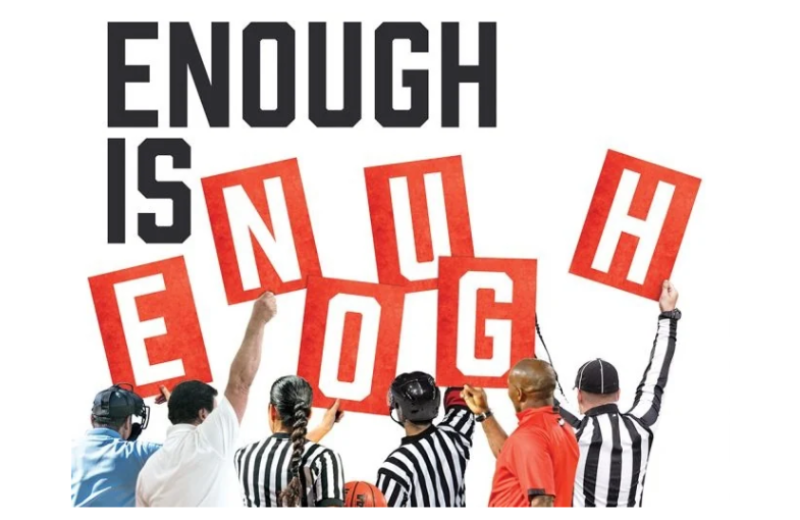
That’s what my grandson said about his experience as a referee in youth soccer. His is one voice echoing a trend that sports writers like Doug Abrams, an expert in youth sports, have been noticing for years: the exodus of referees from youth games. “Referees,” Abrams writes, “quit in droves each year because they are unwilling to tolerate incessant verbal, and sometimes physical, abuse inflicted by coaches and especially by parents. … An official’s thick skin eventually wears thin, patience with unruliness wanes, and enough is enough.”
My grandson’s departure from the ranks of sports officials is a loss — for him, for the players and for the sport. He became a sports official because he loves sports, especially soccer and lacrosse, both of which he plays well, and because he really likes young kids. He has a good eye. He sees the field, understands the games and can spot the sometimes subtle distinctions between a foul and an unintentional bump that doesn’t affect the ongoing play. He participated happily in the referee‑training program and looked forward to having a job in a world he loved. And like so many others, he quit.
Reorganize Attitudes
Is there a solution? Probably not if the efforts focus primarily on the parents. Various psychological factors make it unlikely that the behavior of a sad but dominant minority of parents will ever change: the need to live vicariously through a child, the feeling that a child’s performance reflects the worth of the parents, the high stakes and hopes for college scholarships. The solution is to redefine the relationship between coaches and referees and their responsibilities during games. The strategy is to dramatically reorganize both attitudes and rules. Changing the relationship between coaches and referees could result in a transformative improvement in the culture of youth sports that would ultimately affect the behavior of players and even most parents and, consequently, improve the likelihood of retaining referees.
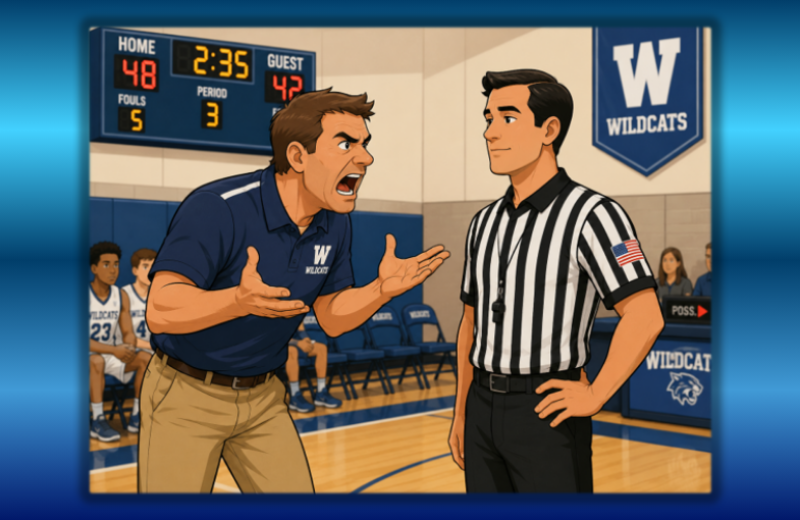
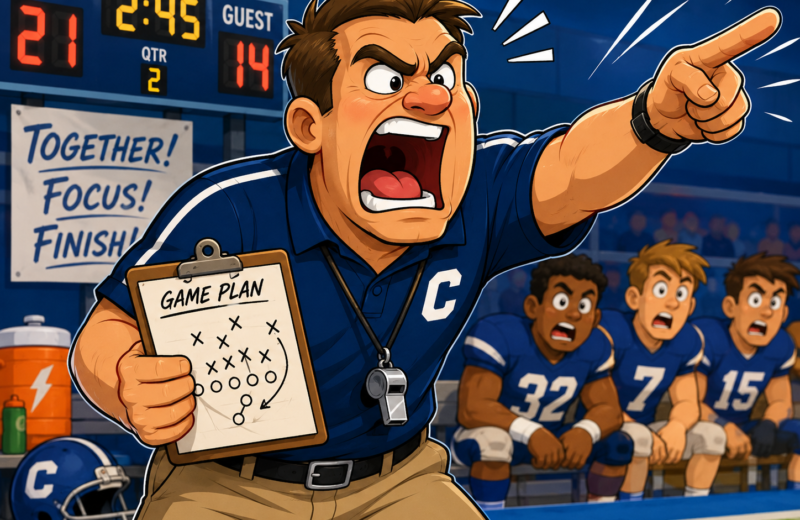
Too often, the culture of youth sports reflects the culture of professional sports. Young athletes emulate their professional heroes. Violence begets violence; trash talk inspires trash talk; berating the referees breeds berating the referees. Winning becomes the only acceptable outcome, and one of the strategies to secure a win is trying to intimidate the referees — to “get inside their head” in an attempt to influence their calls. The referees are sick of all the abuse, so they adopt a siege mentality and retreat to a defensive posture behind the wall of authority that the current rules provide. “Shut up, coach,” and threats of ejection prevent communication and cooperation.